
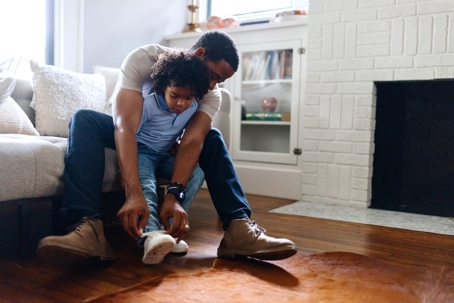
Parents seeking child custody modifications often feel uncertain about how to present their role in their child’s life. One of the most effective ways to support a modification request is by keeping clear, organized records of ongoing parenting involvement. This not only helps show the reality of your day-to-day participation, but also creates a clearer picture for the court or for mediation discussions.
For guidance, contact Moore, Schulman & Moore, APC through our online contact form or call (858) 492-7968.
Why Documentation Matters In Child Custody Modifications
When one parent requests a change to an existing child custody arrangement, the court typically wants to see evidence of a consistent, meaningful involvement in the child’s routine. Documentation helps demonstrate the stability, communication, and responsibility that support a modification request.
The goal is not to “build a case” against the other parent, but to provide an accurate and organized record of your role in your child’s life. This can help reduce misunderstandings and support more efficient conversations during mediation or court hearings.
Understanding What the Court Looks For
Before making changes to an existing order, the court examines whether the modification supports the child’s best interests. While laws may vary, judges often review:
- The level of ongoing parental involvement
- How each parent supports the child’s needs
- The ability of both parents to communicate and cooperate
Parenting records create a helpful timeline that can make these factors clearer.
Key Types Of Records That Strengthen Your Request
Parents sometimes feel unsure about what to document. The goal is to capture patterns, routines, and participation in your child’s life.
Below is a helpful list of information that often supports child custody modification requests.
Common Documentation To Keep
Keeping consistent notes can provide clarity in mediation and court settings. The following items are frequently useful:
- Parenting schedules, including pick-ups and drop-offs
- Notes on completed homework, tutoring sessions, or school communication
- Records of extracurricular activities attended
- Medical appointments, therapy visits, or guidance from healthcare providers
- Messages exchanged with the other parent regarding logistics or concerns
Once gathered, these records can help show stability and responsibility over time.
After collecting this information, make sure it is stored in an organized way. Simple calendars, digital folders, or parenting apps can make it easier to share details during mediation or with a San Diego family law attorney.
Digital Tools That Make Documentation Easier
You do not need complicated systems to maintain strong records. Many parents rely on apps or digital methods that track communication, schedules, and shared responsibilities.
Examples Of Useful Tools
To stay organized and avoid misunderstandings, the following tools can support co-parenting communication:
- Shared calendars for time-sharing exchanges and school events
- Messaging platforms that store conversations and time stamps
- Apps designed for co-parenting organization, expense tracking, and message logs
After choosing a tool that works for your routine, make it a habit to update it regularly. Consistency helps create a clear picture of involvement, should circumstances require a change.
How Documentation Supports Mediation
Mediation often gives co-parents an opportunity to resolve child custody disputes without lengthy court involvement. Clear records help focus the conversation and minimize unnecessary conflict.
Instead of relying on memory, your documentation provides:
- Specific examples of parenting roles
- A timeline of involvement
- Proof of communication efforts
This can lead to more productive discussions and help the mediator better understand each parent’s perspective.
When To Consider Speaking With A San Diego Family Law Attorney
Some situations require additional support—especially if you believe the current order is no longer workable, safe, or aligned with your child’s needs. A San Diego family law attorney can help you understand how your documentation fits into the broader picture, what the court may consider relevant, and how to prepare for the modification process.
Legal guidance can also help ensure your records are presented clearly and appropriately, without unnecessary or overwhelming detail.
How Long You Should Keep Parenting Records
The time period you document can depend on your circumstances. Many parents gather several months of consistent records before pursuing a modification, though some situations may benefit from longer-term documentation.
If you are unsure whether your records are sufficient, consulting a San Diego family law attorney can help clarify next steps.
What To Avoid When Documenting
Documentation should support clarity—not escalate conflict with the other parent. To avoid unnecessary issues:
- Do not exaggerate or misrepresent information
- Avoid using documentation as a tool for confrontation
- Keep your tone factual and neutral
- Refrain from including private details about the other parent that do not relate to parenting
Staying focused on your child’s needs ensures your records remain helpful rather than stressful.
How Documentation Supports Child Custody Modifications In San Diego
Documenting your ongoing parenting involvement can provide meaningful support when pursuing changes to a child custody arrangement. Clear, consistent records help show the reality of your day-to-day role and can strengthen conversations in mediation or court settings. If you have questions about the modification process or need guidance, contact Moore, Schulman & Moore, APC through the firm’s online contact form or call (858) 492-7968 for assistance navigating your next steps.